Seeing the impact first-hand.
Recently, Rob and Tanya Ritchie visited the Everest Centre in Heidelberg.
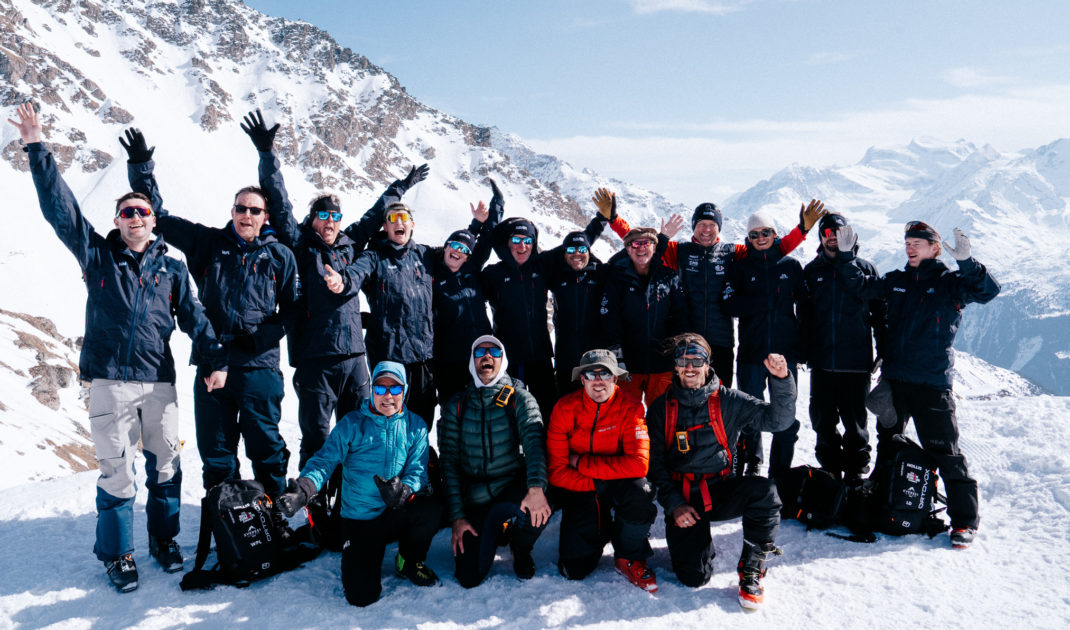
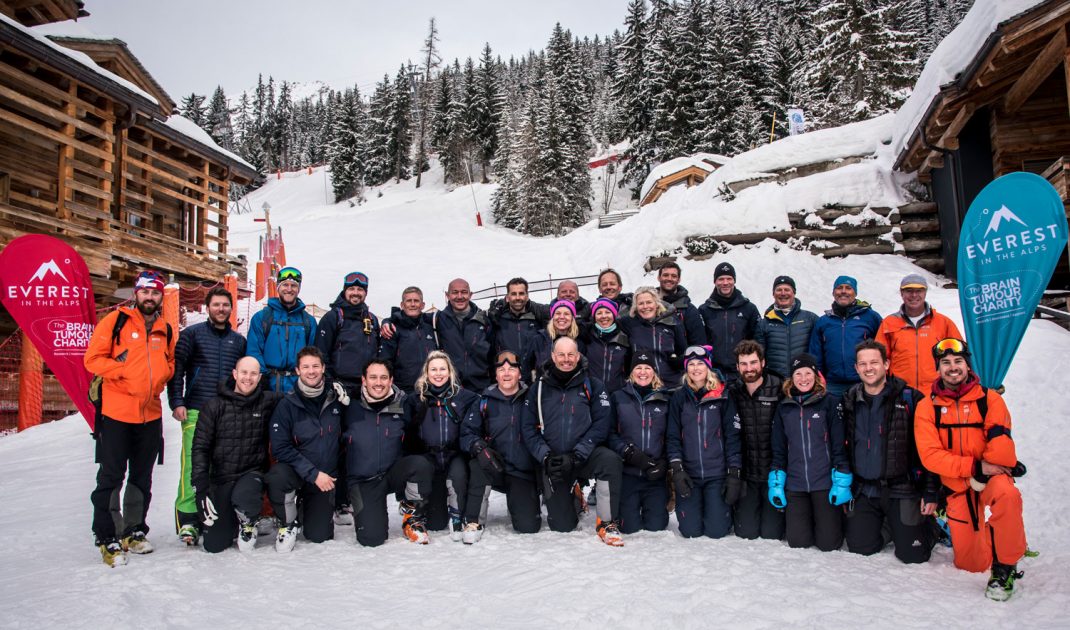
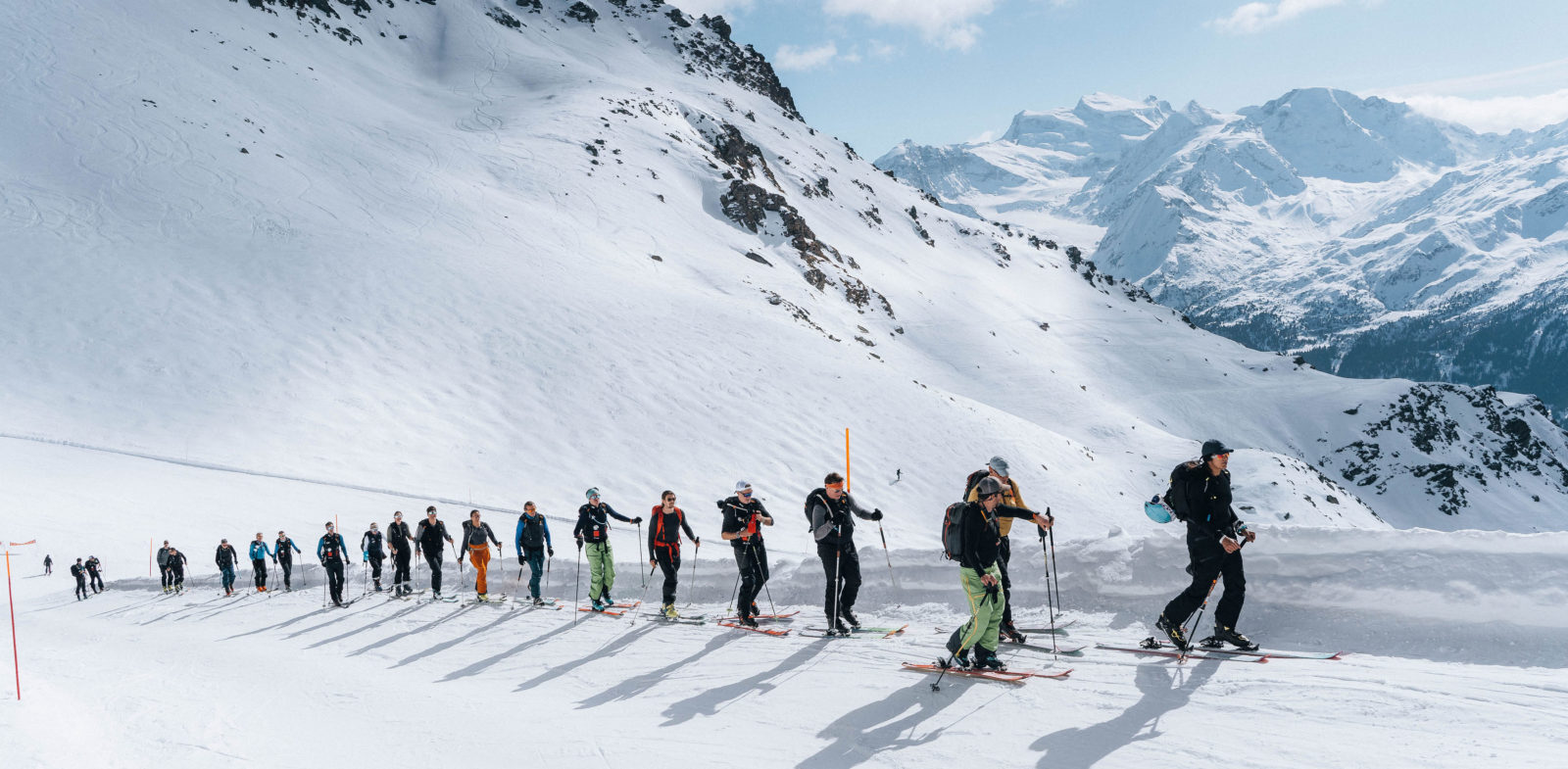
After more than ten years of Everest in the Alps, years of training, fundraising and climbing in partnership with The Brain Tumour Charity, this was a rare moment to step inside the laboratories their community had helped build and to see first-hand what that collective effort has made possible.
The film below captures that visit and the work now taking place inside the Centre.
The Everest Centre was established through Everest in the Alps fundraising, delivered in partnership with The Brain Tumour Charity.
More than a moment in time
For Rob and Tanya, this visit wasn’t about looking back at a finished chapter.
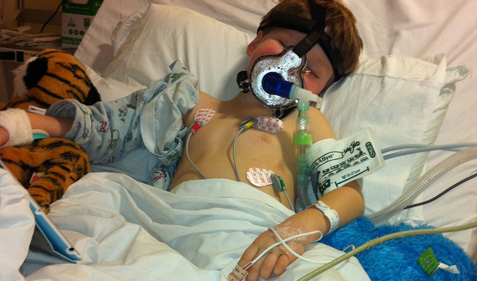
Their son Toby was diagnosed with a brain tumour more than ten years ago, not as a moment that passed but as something that has shaped every year since. While survival matters, the long-term impact on childhood, independence and quality of life remains very real for many families.
Standing inside the Everest Centre brought that reality into sharp focus, alongside the progress now taking place.
From the mountains to the lab
What began as a personal response to a devastating diagnosis has grown into the Everest Centre for Research into Paediatric Low Grade Brain Tumours, a world-leading programme bringing together scientists and clinicians across Europe.
Based at the German Cancer Research Center, and working closely with Great Ormond Street Hospital and the Blizard Institute, the Centre is led by Prof David Jones and focused on one clear goal: understanding what drives childhood low-grade brain tumours and developing safer, more effective treatments.
What stood out on the day
Seeing the research in action made one thing clear: progress here is real.
Laboratory models now allow potential treatments to be tested faster and more safely. Global data resources connect genetic, clinical and quality-of-life information from children around the world. Researchers are uncovering why tumours recur and how targeted therapies could reduce long-term harm.
What was once uncertain is now active, collaborative and advancing.
Why the work continues
Low-grade brain tumours remain the most common childhood brain tumour. Nearly half of children live with lasting physical, cognitive or visual effects.
Toby is now eighteen, living with the consequences of a diagnosis made over a decade ago, a reminder that this is not a story confined to the past and that better options are still urgently needed for the next generation of children.
The Everest Centre is now entering its next phase, focused on translating discovery into patient benefit. This includes advanced diagnostics, next-generation targeted treatments, the largest immune study of its kind, and the EPILOGUE clinical trial, due to begin recruitment in 2026.
Looking ahead
Visiting the Everest Centre brought home how far the research has come, and how much momentum matters.
The foundations are in place. The science is moving. And what has been built through Everest in the Alps, alongside The Brain Tumour Charity, is already shaping a different future for children and families.
This visit was a chance to see that progress up close.