A note from our Founder: Rob Ritchie
After more than a decade of Everest in the Alps, it would be easy to believe the hardest part is behind us.
The Centre exists. The research is underway. The science is moving forward. From the outside, it can look like the job has been done.
But standing back from it all, it’s become clear that this stage brings its own risk.
When progress becomes visible, urgency fades. And for long-term research, that’s often the most dangerous moment.
Everest in the Alps didn’t begin as a campaign with an end date. It began as a response to something that didn’t stop once treatment ended. Our son Toby’s diagnosis wasn’t a moment in time. It has shaped every year since, in ways that are physical, cognitive and ongoing.
That reality hasn’t changed. What has changed is what’s now possible.
Because of years of sustained fundraising and scientific commitment, research into childhood low-grade brain tumours has moved from uncertainty into active discovery. Scientists are no longer asking whether this work can be done, but how quickly it can be translated into safer, more effective treatments for children who will live with the consequences for decades.
None of this progress would be possible without the leadership and expertise of The Brain Tumour Charity. Their long-term commitment to childhood brain tumour research, and their ability to bring together world-class scientists and clinicians, has been critical in turning fundraising into meaningful, patient-focused progress.
Big efforts often attract attention at the start. What’s harder, and far more important, is sustaining support once the work becomes complex, methodical and long-term. There are no dramatic breakthroughs every year. Progress happens in careful steps. Data is built, tested, challenged and refined. Clinical trials take time to design properly. Outcomes are measured not just in survival, but in quality of life.
That’s not the part people naturally rally around. But it’s the part that changes futures.
This year’s Everest in the Alps challenge comes at a moment where the foundations are firmly in place. The science is advancing. Collaboration across institutions and countries is now routine. The next phase of research is focused on translating discovery into real benefit for children and families.
Walking away now would mean slowing that progress just as it becomes most meaningful.
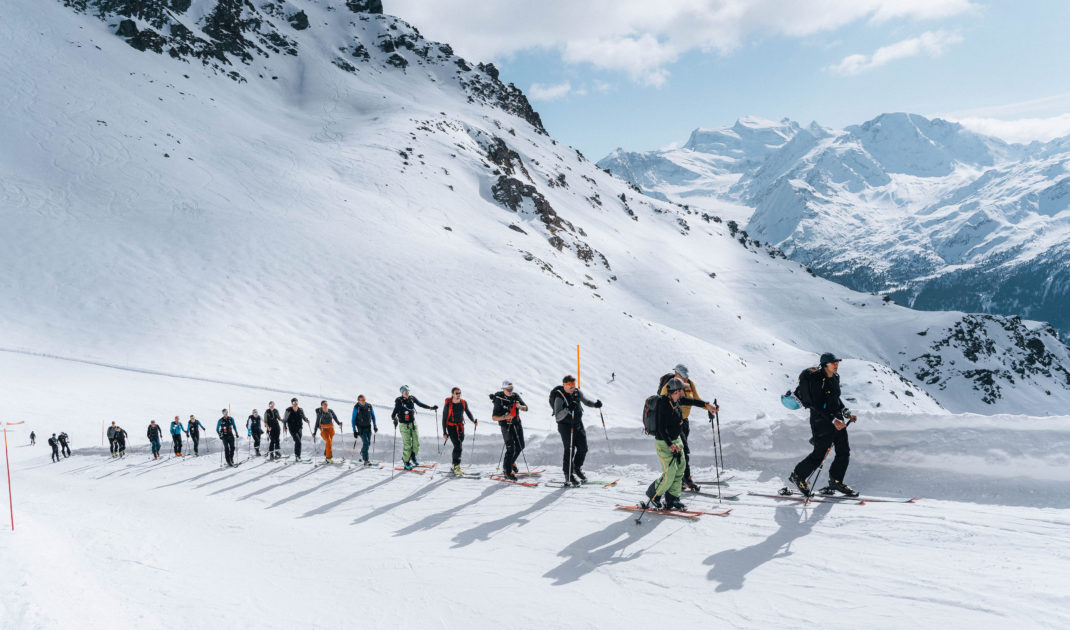
The climb itself remains demanding. It always will be. Teams spend months preparing for days that push them physically and mentally. That effort isn’t symbolic. It’s a reflection of what sustained commitment actually looks like.
What Everest in the Alps has always been about is that link between effort and impact. Not awareness for its own sake, but support that allows serious work to continue year after year.
After more than ten years, this isn’t about starting something new.
It’s about not letting what’s been built lose momentum.
That responsibility belongs to all of us who have supported Everest in the Alps along the way. And it’s what will define what comes next.